Preparation Hand hygiene: Proper hand wash and use of sterile gloves Patient positioning: Position comfortably with proper exposure of the wound Wound assessment: Take measurements of wound size, depth, drainage, and tissue type Wound cleaning: Clean with sterile saline or prescribed solution Debridement (if necessary): Debride necrotic tissue prior to VAC application Foam Dressing Application Choose foam type: Black (default), White (tunneling), or gauze Cut foam to wound dimensions: Don't overlap onto healthy tissue Put foam into wound: Fill carefully, do not pack firmly Don't use multiple pieces: If using more than one, count and label clearly Sealing with Adhesive Drape Cover foam with drape: Use adhesive drape for airtight seal Trim drape to size as required: Have minimum 35 cm margin over wound borders Make access port: Cut small opening in center of drape (if not using pre-port) Tubing and Machine Connection Place suction pad (Track Pad): Over drape hole or attach tubing Attach tubing to canister: Make sure tubing is secure and not bent Attach canister to VAC pump: Make sure system is on and available Setting Up Negative Pressure Turn on machine: Use VAC device or portable NPWT unit Set pressure: Typically 75 to 125 mmHg depending on wound type Choose mode: Continuous (initial/infected) or intermittent (chronic) Check seal integrity: Foam should contract visibly
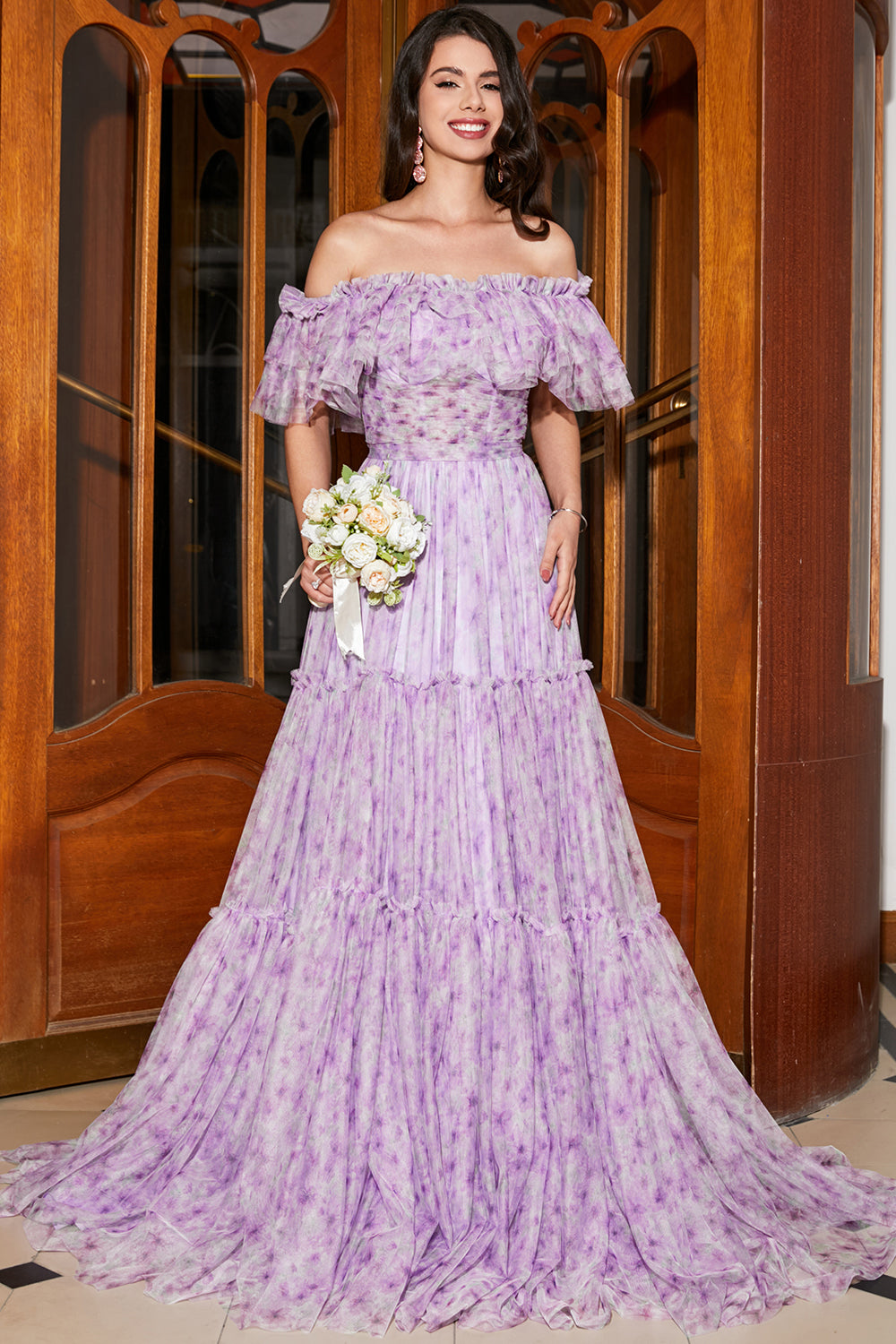
Cassandra shows real outfit examples for both dress codes so theres no more guessing
Elevate your fall look in a solid ribbed knit dress with a cozy turtleneck and subtle hollow-out detail, a chic knee-length silhouette by KIMLUD
Instead of choosing the closest available size, you can customize the jacket shape, trouser cut, fabric, lining, buttons, and overall silhouette
Zach understood how much I love Minnesota and all of the positive memories that I have of being there