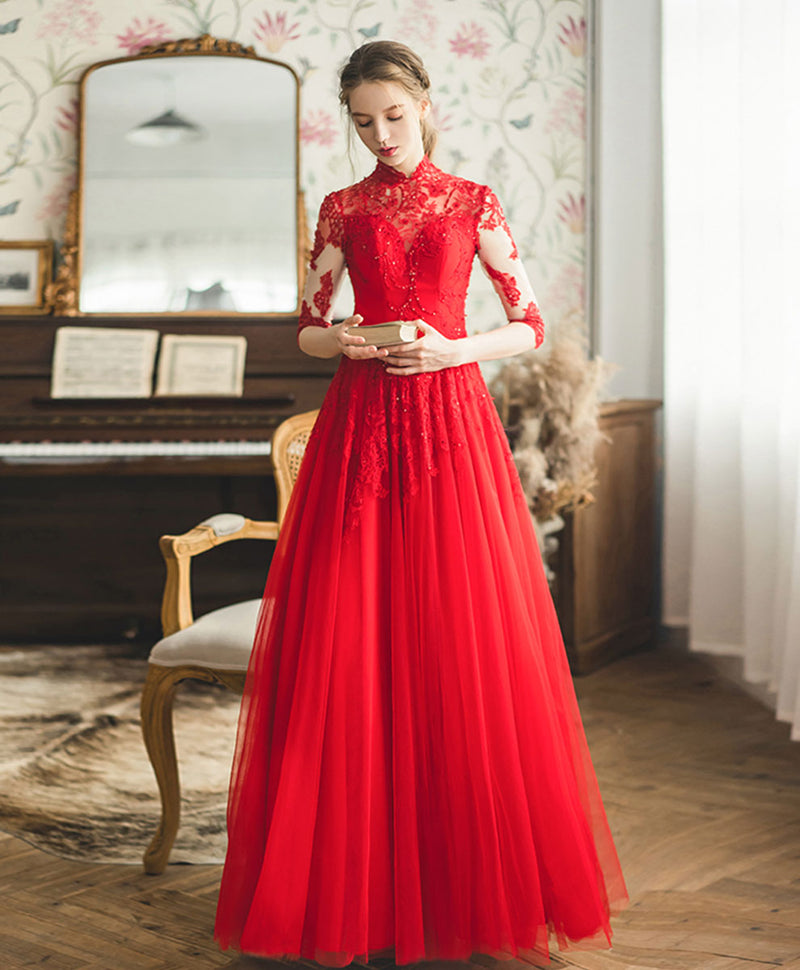
Under the favor of Empress Eugenie, the wife of Emperor Napoleon III, House of Worth flourished as wealthy and socially ambitious women alike were drawn to Worths showpiece creations
When Annie had school-aged children, she briefly tried to modernise for them, as they said classmates were making fun of her attire
Inside Message (Optional) Inside View I Twerk For Nobody Greeting Card Regular Price: $5.25 10% Off (Sale Ends in 14 Hours) $4.72 Quantity The more you buy
Concerning the black gown depicted in the portrait, dress historian Aileen Ribeiro writes that "The dress is so scandalous even an actress would have thought twice about wearing it for a portrait." Valerie Steele, a dress historian and the curator of the Museum at FIT, further contextualizes why contemporary audiences found Madame X 's dress so shocking: "'Though the cuirass would have had some kind of lining to soak up sweat, the model would not have been wearing any underwear." [14] Dress historian Justine De Young, however, argues that "it was not the dress itself that prompted criticism, but instead her way of wearing it (with the slipped shoulder strap and heavy make-up)." [24] Art historian Dorothy Moss analyzed contemporary reviews, positing that "The language of contemporary criticism reveals that it was [Sargent's] emphasis on the sitter's artifice that, above all, excited the critics." [25] Art historian Elizabeth Renes explains that "Sargent uses two techniques in Madame X to bring focus to her 'whiteness' and her 'cosmetic exterior': the dark background, which creates a high contrast to further highlight her skin, and the uncomfortable, sculptural pose, paired with the simplicity of the gown, which forces more of her flesh into view." [26] Naturalness was the ideal of beauty at the time, and Madame X "defiantly violated this cherished precept of nineteenth-century decorum." [27] Art historian Susan Sidlauskas lists "the brazenness of [Gautreau's] self-display

Back neck darts