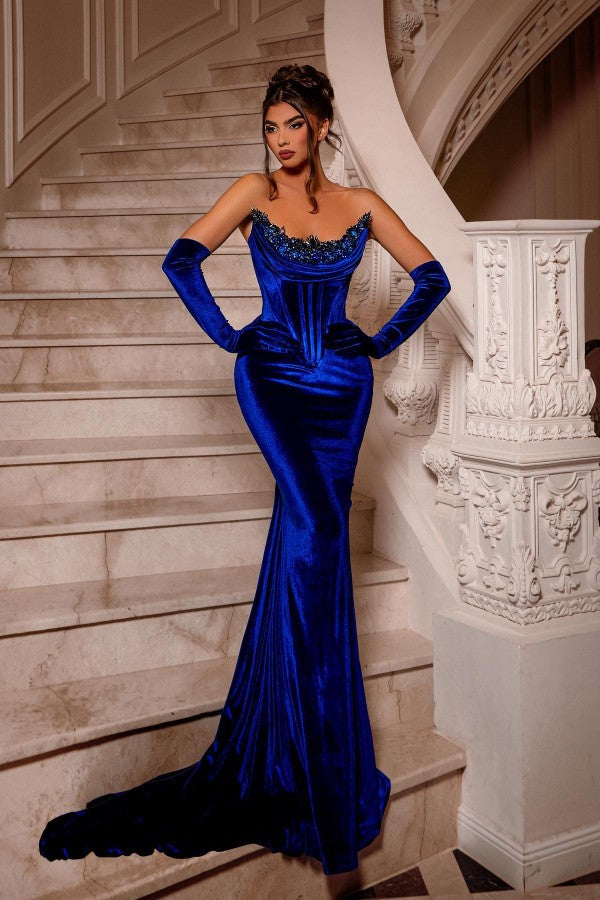
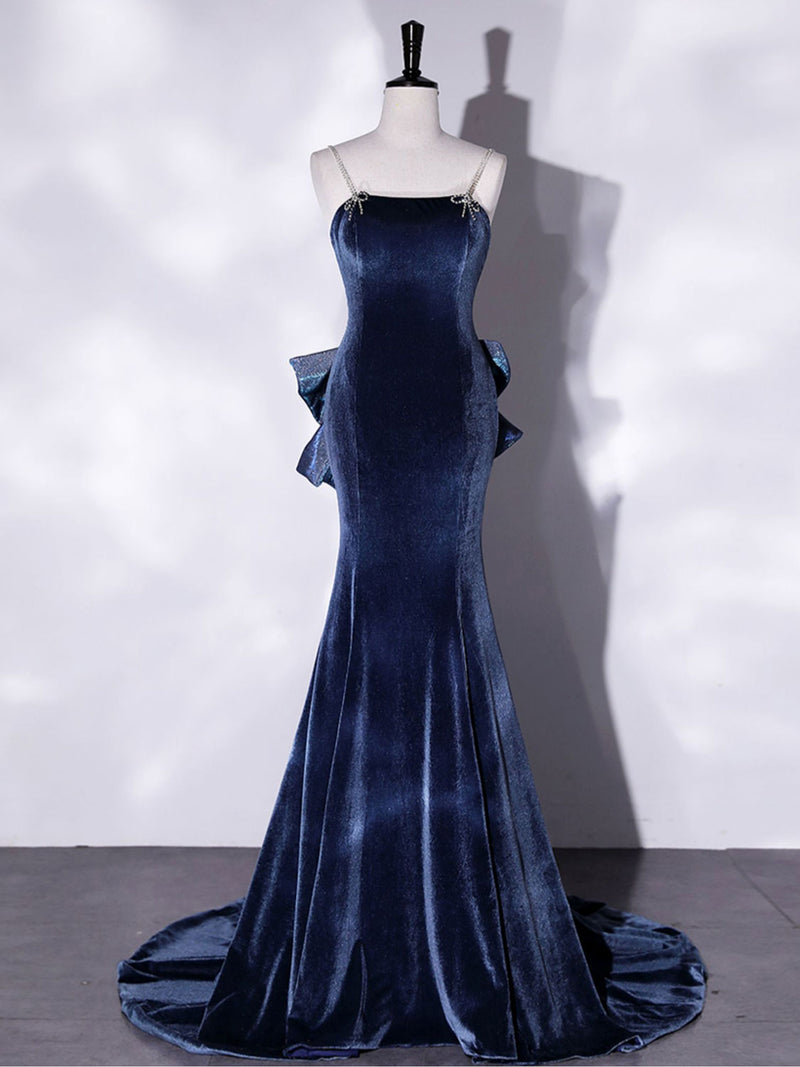
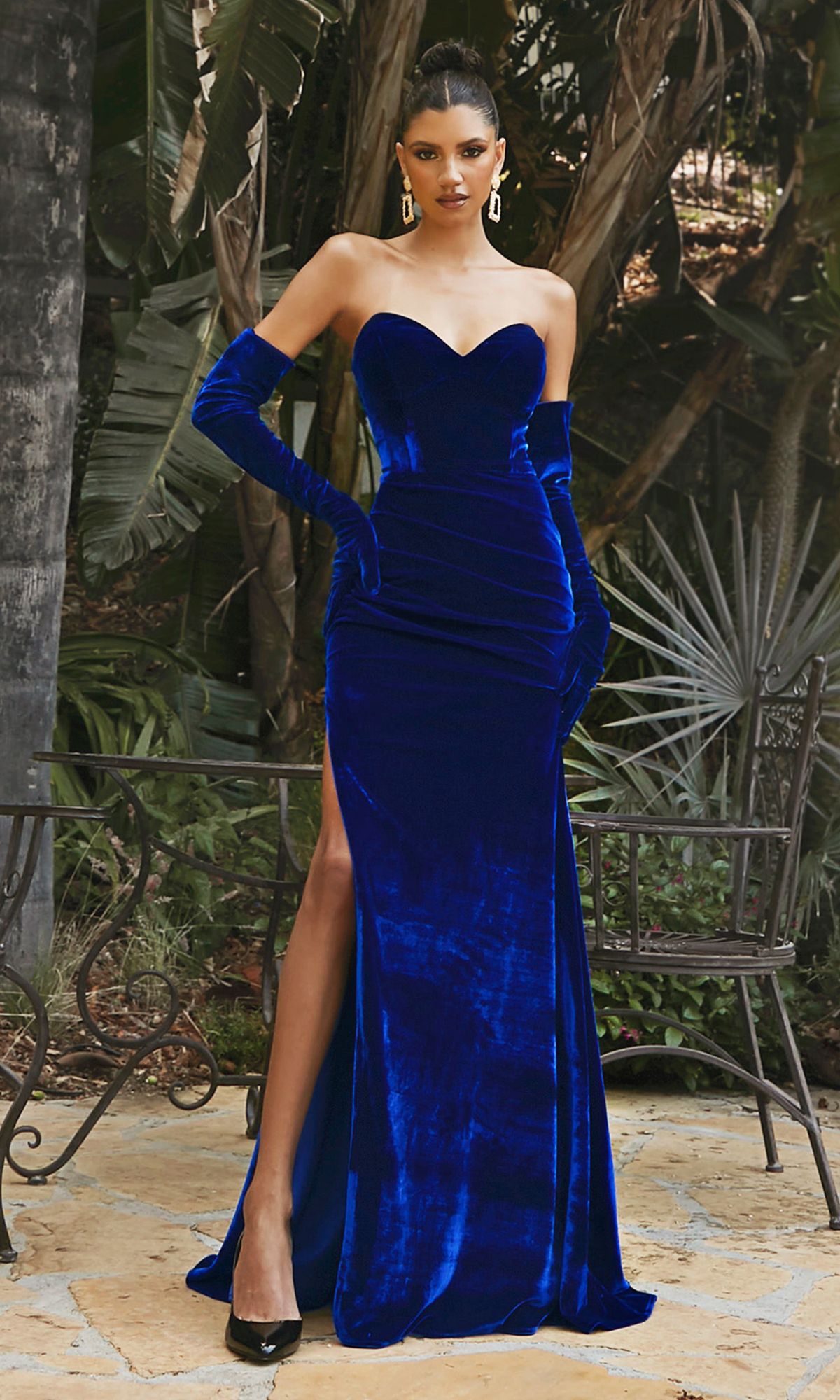
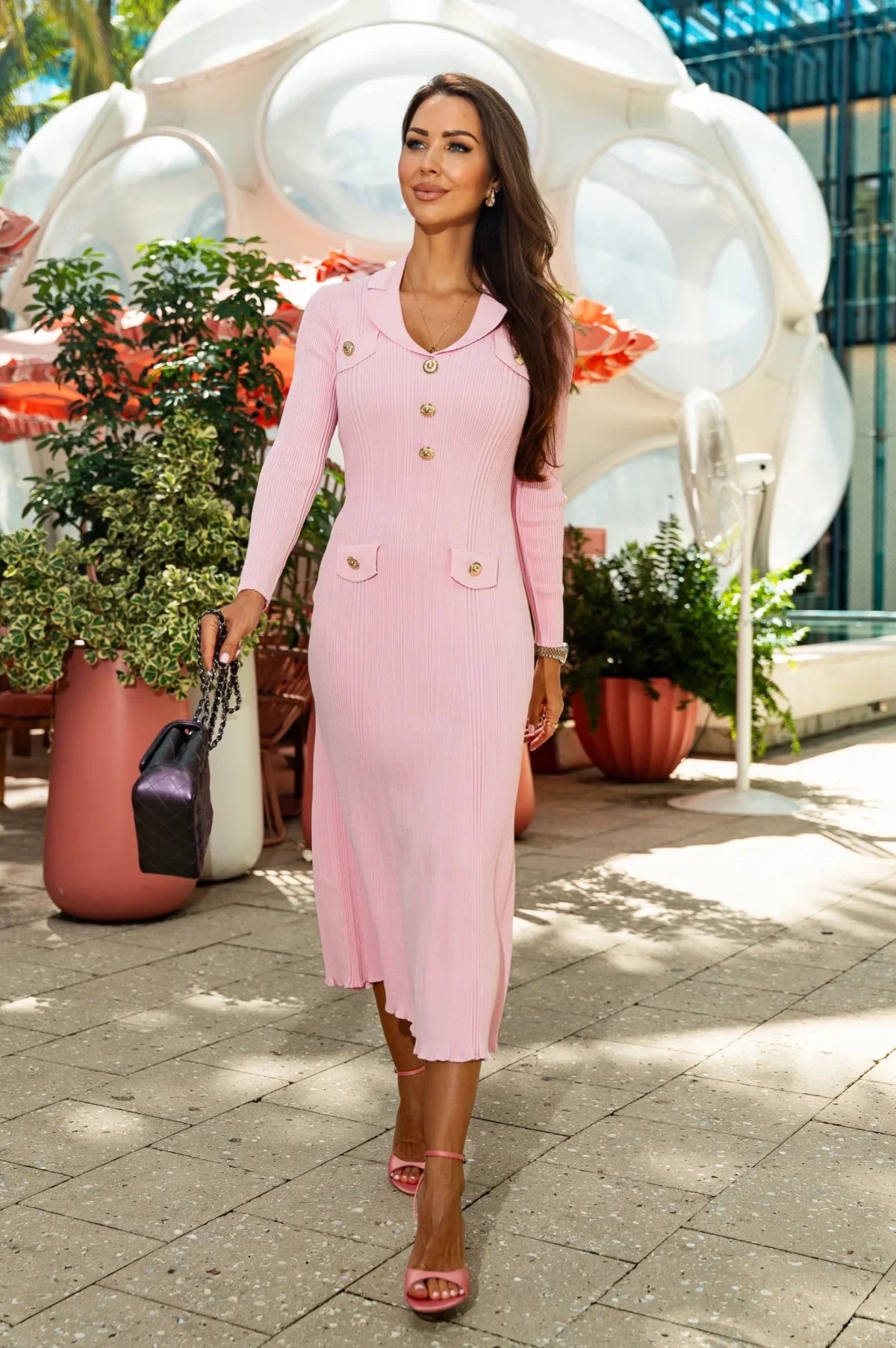
Why Dress Codes Exist: Beyond Arbitrary Rules Before diving into specific definitions, it's worth understanding the fundamental purpose behind dress codes: The Practical Functions Despite occasional frustration, dress codes serve several practical purposes: Setting Expectations : Helping guests feel appropriately dressed for the environment Creating Atmosphere : Contributing to the event's intended mood or formality level Showing Respect : Demonstrating consideration for hosts, cultures, or institutions Practical Guidance : Preventing genuine discomfort from inappropriate attire (e.g., high heels at a beach wedding) The Evolution Factor Modern dress codes continue to evolve with changing social norms: Regional Variations : Significant differences exist between geographic locations Industry Influence : Professional fields maintain varying standards of formality Generational Shifts : Younger generations often interpret traditional codes more flexibly Cultural Factors : Diverse backgrounds contribute different perspectives on appropriateness Traditional Formal Dress Codes: The Classics Decoded These established formal codes have the most specific definitions and expectations: White Tie: Ultimate Formality The most formal dress code, typically reserved for state dinners, elite galas, and extremely formal weddings
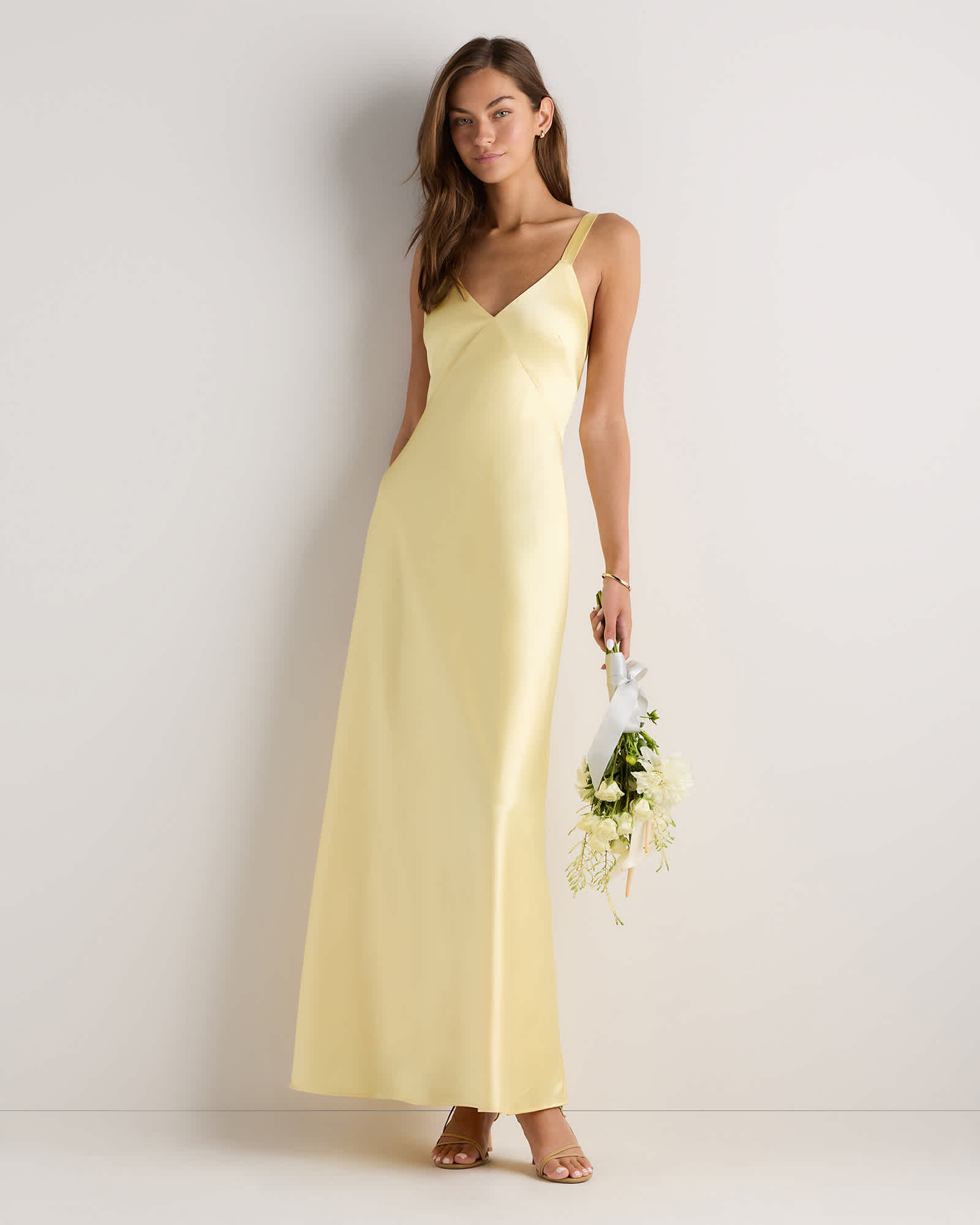
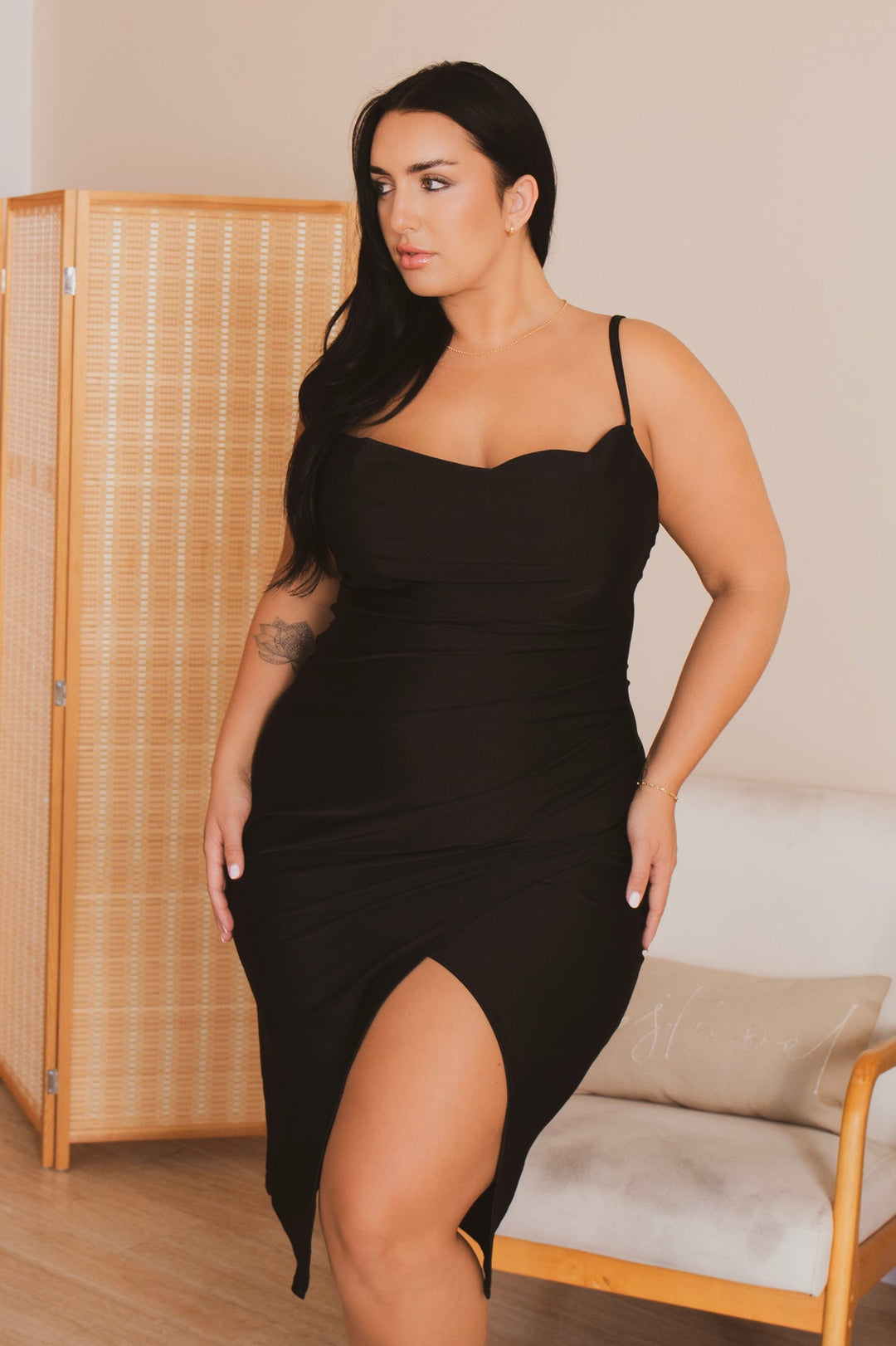
Popularity of the Little Black Dress and New Trends The little black dress became an immediate hit
Product Details 12867 Data sheet Shipping and Returns Need help?
The 2019 international guideline specifically states that NPWT may be considered as an early adjunct for Category/Stage III and IV pressure injuries, and also advises surgical consultation for wounds with extensive tissue loss, exposed deeper structures, or failure of conservative therapy
When you feel confident in your own skin, it shows